

Search Results - Garden Bridges Worlds Best in Design and Craftsmanship, Redwood Garden Bridges





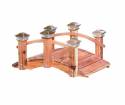
Short Post Bridges
This is a 4 foot short post bridge it is 32 inches wide ,we can make it as wide as you want for your project . You have you choice of the ball caps or the solar copper tops, you can hve us seal it to ...
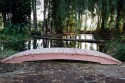
10 Foot No Post Bridge
These finely detailed bridges will complement your Koi pond, creek, stream or yard. Hand-built with hand selected redwood only. Galvanized hardware, pre–assembled pre-drilled and sanded. The onl ...
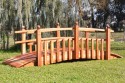
10 Foot Half Spindle Bridges
Half Spindle Bridges Made by "Old World Craftsmen" 100% Redwood. All galvanized fittings, easy assembly, custom sizes. Our bridges are completely fish safe, we do not use pressure-treated ...
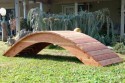
10 Foot High Arch No Post Bridges
High Arch Bridges Add a whole new dimension to the look of your landscape with the new High Arch Series bridge. The High Arch will enhance the beauty of anything around it. When you need the c ...
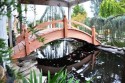
10 Foot High Arch Short Post Bridges
High Arch Bridges Add a whole new dimension to the look of your landscape with the new High Arch Series bridge. The High Arch will enhance the beauty of anything around it. When you need the cleara ...
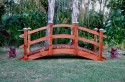
10 Foot High Arch Tall Post Bridges
High Arch Bridges Add a whole new dimension to the look of your landscape with the new High Arch Series bridge. The High Arch will enhance the beauty of anything around it. When you need the c ...
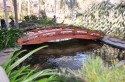
10 foot Japanese Garden Bridges
Japanese Garden Bridges The Japanese garden bridge plays a major part in a Japanese garden. Here is another new edition and personally designed by Redwood Garden Bridges. Only offered from our websi ...
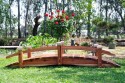
10 Foot Short Post Garden Bridges
Shown above is the elegant Short-Post Bridge, We can customize this bridge to suit your needs, just contact us! ...
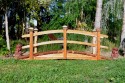
10 Foot Span Curved Double Rail Garden Bridge
If you can close your eyes and just imagine your landscape by adding a Redwood Garden Curved Rail bridge to your heaven. This one or two option-rail bridge is hand-built with hand-selected California ...
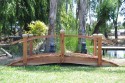
10 Foot Span Curved Single Rail Garden Bridge
If you can close your eyes and just imagine your landscape by adding a Redwood Garden Curved Rail bridge to your heaven. This one or two option-rail bridge is hand-built with hand-selected California ...
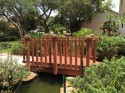
10 Foot Spindle Bridges
Spindle Bridges Bring the beauty of peaceful nature escapes to your garden with the Redwood Garden Spindle Curved Rail bridge. This single-rail bridge is hand-built with hand-selected California re ...
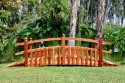
12 Foot Half Spindle Bridges
Half Spindle Bridges Made by "Old World Craftsmen" 100% Redwood. All galvanized fittings, easy assembly, custom sizes. Our bridges are completely fish safe, we do not use pressure-treated ...
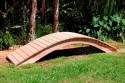
12 Foot High Arch No Post Bridges
High Arch Bridges Add a whole new dimension to the look of your landscape with the new High Arch Series bridge. The High Arch will enhance the beauty of anything around it. When you need the c ...
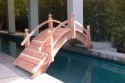
12 Foot High Arch Short Post Bridges
High Arch Bridges Add a whole new dimension to the look of your landscape with the new High Arch Series bridge. The High Arch will enhance the beauty of anything around it. When you need the cleara ...
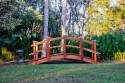
12 Foot High Arch Tall Post Bridges
High Arch Bridges Add a whole new dimension to the look of your landscape with the new High Arch Series bridge. The High Arch will enhance the beauty of anything around it. When you need up to ...
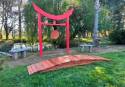
12 Foot No Post Bridges
These finely detailed bridges will complement your Koi pond, creek, stream or yard. Hand-built with hand selected redwood only. Galvanized hardware, pre–assembled pre-drilled and sanded. The onl ...
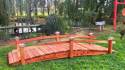
12 Foot Short Post Garden Bridges
Shown to the right is the elegant Short-Post Bridge, We can customize this bridge to suit your needs, just contact us! Some of the Key Features: Constructed of hand-selected California redwood ...
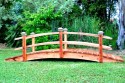
12 Foot Span Curved Double Rail Garden Bridge
If you can close your eyes and just imagine your landscape by adding a Redwood Garden Curved Rail bridge to your heaven. This one or two option-rail bridge is hand-built with hand-selected California ...
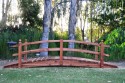
12 Foot Span Curved Single Rail Garden Bridge
If you can close your eyes and just imagine your landscape by adding a Redwood Garden Curved Rail bridge to your heaven. This one or two option-rail bridge is hand-built with hand-selected California ...
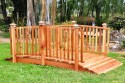
12 Foot Spindle Bridges
Spindle Bridges Bring the beauty of peaceful nature escapes to your garden with the Redwood Garden Spindle Curved Rail bridge. This single-rail bridge is hand-built with hand-selected California re ...
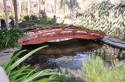
12 ft Japanese Garden Bridges
The Japanese garden bridge plays a major part in a Japanese garden. Here is another new edition and personally designed by Redwood Garden Bridges. Only offered from our website. Here we hav ...
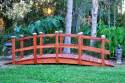
14 Foot Curved Rail Bridges
Redwood Garden Bridges That Stand the Test of Time If you can close your eyes and just imagine your landscape by adding a Redwood Garden Curved Rail bridge to your heaven. This curvered rail b ...
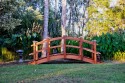
14 foot High Arch 10 Tall Post Bridges
High Arch Bridges Add a whole new dimension to the look of your landscape with the new High Arch Series bridge that has 10 posts and 10 solar lights The High Arch will enhance the beauty of anything a ...
14 foot Japanese Garden Bridges
The Japanese garden bridge plays a major part in a Japanese garden. Here is another new edition and personally designed by Redwood Garden Bridges. Only offered from our website. Here we have New a ...
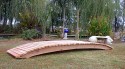
14 Foot No Post Bridge
These finely detailed bridges will complement your Koi pond, creek, stream or yard. Hand-built with hand selected redwood only. Galvanized hardware, pre–assembled pre-drilled and sanded. The onl ...
Pages
1 2 3 4 > »You can try another search - or Click here to return to the previous page